You have 0 items in your cart

0
- Homepage
- Portfolio
- Used cases – References
- Contact
 English
Reliable communication is the backbone of every modern plant, port and production line. Wireless data transmission makes it possible to move signals, measured values and control commands between machines without laying a single cable.
For operators of cranes, conveyors, mobile equipment and remote field stations, this technology removes the physical limits of wiring and keeps data flowing even where trailing cables, slip rings or drag chains would fail. This page explains what wireless data transfer is, how it works, which types exist and where it delivers the greatest value in industry.

Wireless data transmission is the process of transferring information between two or more devices without a physical conductor such as a cable, wire or optical fibre. Instead of a guided medium, it uses electromagnetic waves, typically radio waves, microwave or infrared frequencies, to carry data through the air. The intended distance can range from a few metres, as with Bluetooth, up to many kilometres for industrial radio links and satellite systems.
In an industrial context, wireless data transfer usually means using dedicated radio modules to remotely transmit the data or physical quantities that field equipment produces. Such a system can acquire analogue values, read digital states and forward switching commands, enabling genuine remote control, telemetry and telemetering. A transmitter (the sender) converts the signal, a receiver captures and decodes it, and the connected controller processes it exactly as if a cable were in place.
The principle behind every wireless connection is straightforward. Data from a device, for example a PLC or RTU, is first converted into an electromagnetic signal by a transmitter. That signal is sent over a defined frequency band, travels through the air, and is picked up by a receiver at the other end. The receiver then decodes the signal back into usable data for the target controller. In a typical setup the sender and receiver provide a transparent RS232 or RS485 interface, so the radio link behaves like a virtual cable and requires no programming changes to the existing system.
Because the transfer is contactless, wireless data communication is ideal for rotating, moving or hard-to-reach equipment. Point-to-point and point-to-multipoint topologies are both possible, which means one master station can exchange data with many remote nodes over the same network.
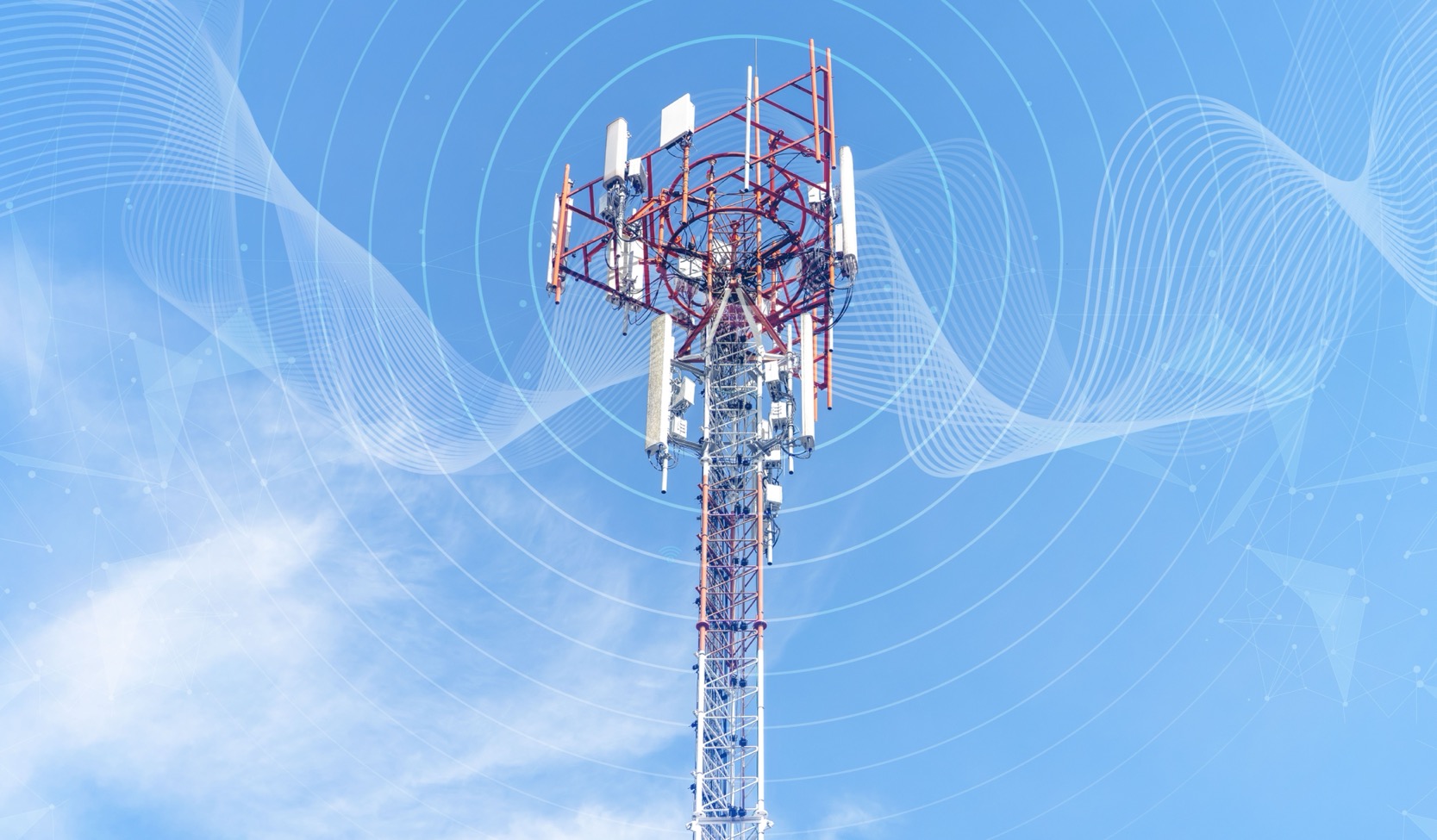
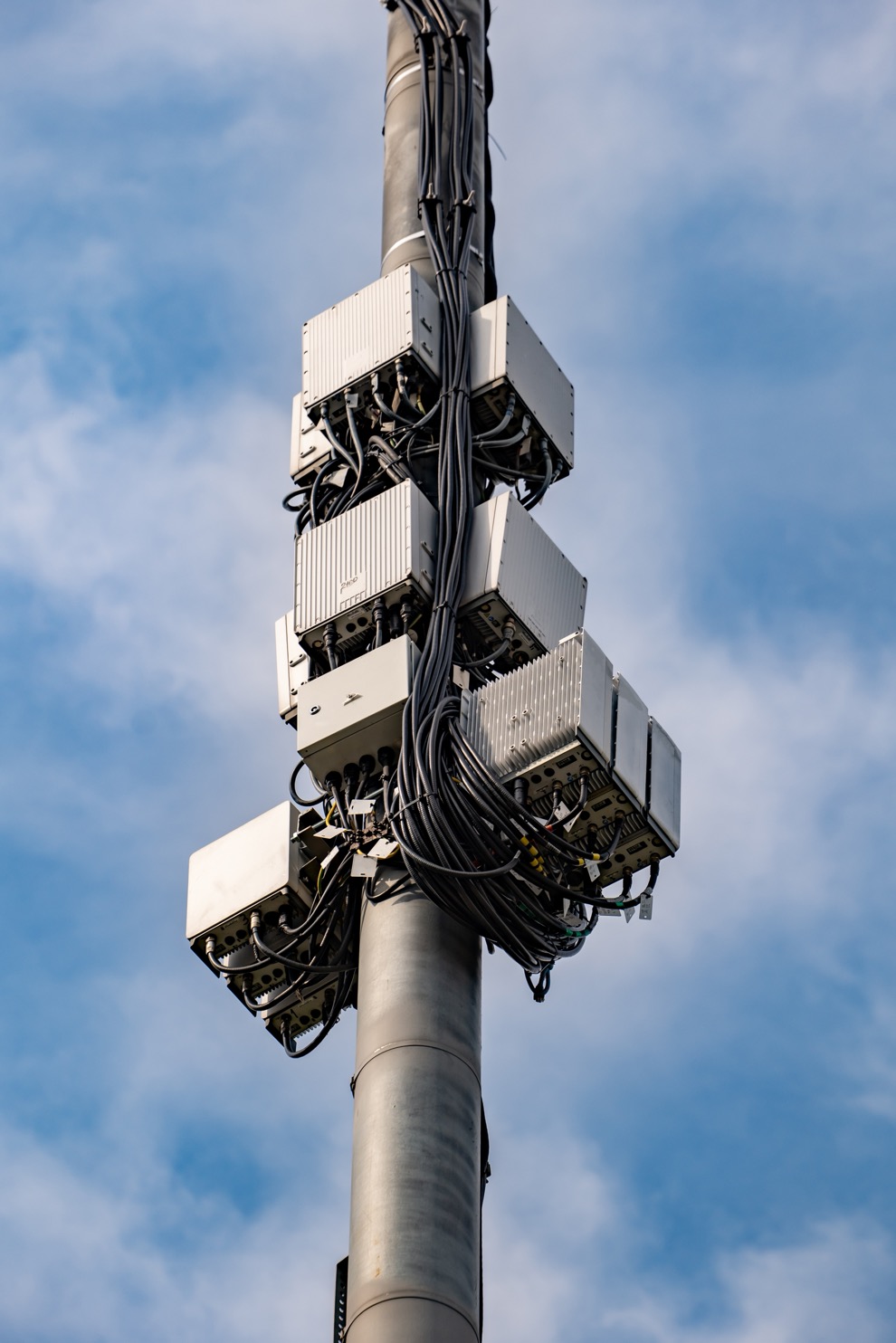
There is no single method of wireless data transmission; the right choice depends on distance, environment and data volume. Broadly, industrial systems fall into two groups.
Public network transmission uses cellular infrastructure such as 2G, 3G, 4G and 5G. It offers wide coverage and is well suited to widely distributed assets, but it depends on a carrier and involves recurring service fees.
Private network transmission relies on your own dedicated radio equipment. Common technologies include:
Alongside these, infrared and microwave transmission cover specialised short-range and point-to-point tasks. This mix lets you match the wireless data transfer method precisely to each application.
Wireless data transmission is integral to modern automation and infrastructure. Typical applications include industrial remote control and telemetry, wireless PLC and wireless RS485 links, data acquisition, detection and alarm systems, and process control in remote or telemetering installations. It is used for pressure and temperature monitoring of urban pipe networks, water and wastewater treatment, hydrological and coal-mine safety monitoring, oilfield data collection, railway communication and the control of parking and access equipment.
On mobile machinery such as cranes, gantries and straddle carriers, wireless links carry camera images, weighing data and control signals where cables cannot follow the motion. In smart manufacturing, reliable machine-to-machine communication keeps lines flexible and productive.
Like any technology, wireless communication has limits worth planning for. Signals can suffer interference from other transmitters, large metal structures or machinery, and range decreases with distance and obstacles. Adverse weather may affect certain frequency bands, and open networks require proper security, such as encryption and access control, to prevent unauthorised access. Choosing industrial-grade equipment with robust modulation, error correction and the correct antenna configuration overcomes most of these issues in practice.
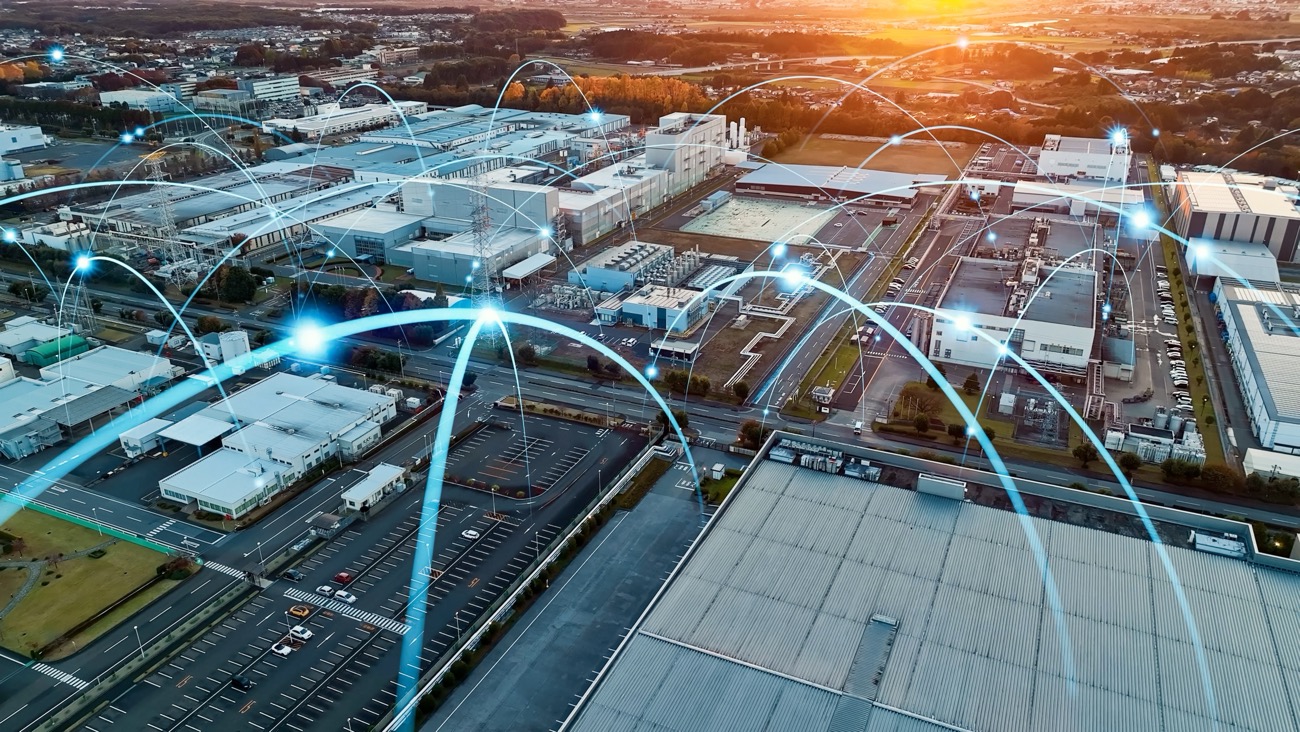
As a specialist in industrial radio and data communication, Consult-IMPEX supplies robust senders, receivers and complete wireless data transmission systems for demanding environments. Our Datenfunk range covers Wireless CAN, Wireless Ethernet, Wireless PROFIBUS DP, Wireless PROFINET and analogue links, complemented by radio cameras, radio scales and rugged accessories. Each solution is built for reliable, contactless data transfer under real conditions.
Whether you need to bridge a fieldbus across a moving crane or set up telemetry over several kilometres, our team helps you select the right components for your application. Contact Consult-IMPEX for advice and an individual quotation, and keep your data flowing without the cable.